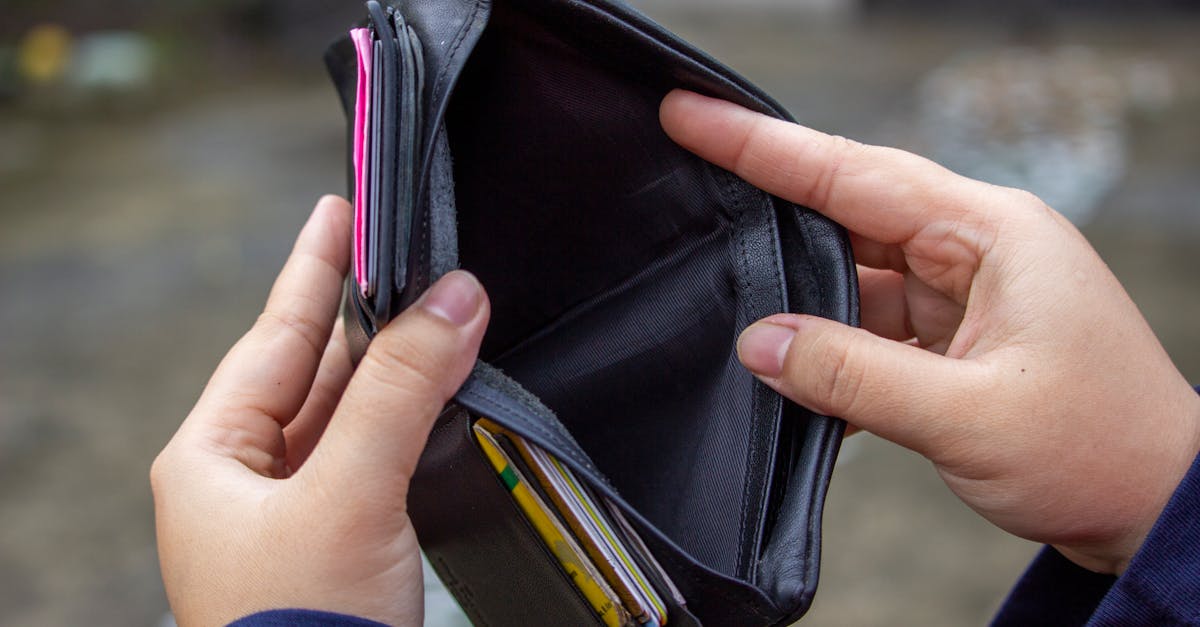

The Hidden Puppet Master: Your Emotions and Your Wallet
Have you ever found yourself staring at an online shopping cart filled with items you definitely do not need, wondering how you even got there? You are not alone. Most of us like to think of ourselves as rational actors who make financial decisions based on logic, budgets, and spreadsheets. In reality, our brains are wired for survival and comfort, not for managing complex modern financial instruments. Money is rarely just about math; it is about feelings, history, and the way our brains process reward.
Why Do We Spend? The Biological and Psychological Drivers
Deep down in our evolutionary makeup, the brain treats money very similarly to calories. For our ancestors, securing resources was a matter of life and death. Today, when you click that buy button, your brain releases a hit of dopamine, the feel good neurotransmitter. This chemical spike is meant to reward us for finding resources, but in a world of one click ordering, it often rewards us for mindless consumption.
The Lure of Instant Gratification
The modern economy is built on shortening the gap between desire and acquisition. When you see something you want, you can have it delivered to your door within hours. This instant gratification is a psychological trap. It satisfies the primitive part of your brain that craves immediate relief, while the long term consequences like credit card bills or diminished savings are pushed to the background, out of sight and out of mind.
Identifying Your Emotional Spending Triggers
We all have specific emotional states that act as a gateway to our wallets. For some, it is boredom. For others, it is anxiety or even celebration. Think about the last time you made a purchase you later regretted. Were you feeling stressed? Were you feeling lonely? By identifying these specific triggers, you can start to build a firewall between your mood and your bank account. You must learn to ask yourself, am I buying this for the product, or am I buying it to feel better?
FOMO and the Social Pressure to Spend
The Fear of Missing Out, or FOMO, is one of the most potent psychological drivers in our culture. Social media acts as a highlight reel of everyone else’s perceived prosperity. When you see your peers upgrading their cars, taking expensive trips, or wearing designer labels, your brain creates a false sense of urgency. You feel that if you do not keep up, you are falling behind. This comparison game is a thief of both joy and capital.
Retail Therapy: Is It Real or Just a Myth?
Retail therapy is not just a joke we tell friends; it is a genuine emotional coping mechanism. When life feels chaotic, shopping provides an illusion of control. You cannot control your boss or the economy, but you can control whether you buy that pair of shoes. It is a temporary distraction that numbs the pain, but the silence that follows the purchase is often louder and more expensive than the problem you were trying to solve.
The Psychology of Loss Aversion
Psychologists have long noted that the pain of losing something is twice as powerful as the joy of gaining something. This is called loss aversion. It affects how we invest, how we hold onto bad assets, and how we fear missing out on sales. We become so focused on not losing a deal that we ignore the fact that the purchase itself might be a poor use of our hard earned money.
How the Anchoring Effect Tricks Your Brain
Ever see a product marked down from two hundred dollars to fifty dollars and immediately feel like you are winning? That is the anchoring effect in action. The first number you see acts as an anchor in your mind, making the second number seem like a bargain, even if the item is not worth fifty dollars. Retailers are masters at setting these anchors to manipulate your perception of value.
The Role of Stress in Financial Decision Making
When you are chronically stressed, your prefrontal cortex, the part of the brain responsible for logical planning, becomes less effective. In this state, you are far more likely to lean on your emotional brain to make decisions. Financial stress creates a vicious cycle. You spend to relieve stress, then you stress because you spent, and the cycle repeats itself.
Living Under a Scarcity Mindset
A scarcity mindset occurs when you feel like there is never enough. This mental state consumes your cognitive bandwidth, leaving you with less mental energy to make smart long term choices. Paradoxically, people in a scarcity mindset often engage in impulsive, short term spending because they feel that a better future is unattainable, so they might as well enjoy the moment.
Cultivating the Art of Delayed Gratification
The ability to delay gratification is perhaps the single most important skill for financial freedom. It requires trusting that your future self will benefit from the sacrifices you make today. Think of it like planting a tree; you do not get shade the day you plant the seed, but if you have the patience to wait, you eventually get a forest.
Strategies for Mindful Spending
To break the cycle, you need a strategy. Start by implementing a twenty four hour rule. If you want something non essential, force yourself to wait one full day before buying it. Often, by the next morning, the emotional urge will have faded, and you will see the item for what it really is. Another strategy is to remove saved payment information from websites, making the process of buying just difficult enough to force you to think before you click.
Tracking Expenses: A Reality Check
There is a massive difference between what you think you spend and what you actually spend. Tracking your expenses is the ultimate mirror. It does not judge you, but it reflects the truth of your priorities. When you see that you are spending hundreds of dollars a month on subscriptions or takeout, you gain the power to make intentional changes. You cannot manage what you do not measure.
Seeking Professional Guidance When Emotions Rule
If you find that your relationship with money is causing significant distress or that you cannot stop spending despite wanting to, there is no shame in seeking professional help. Financial therapists are trained to help you understand the emotional baggage you carry regarding money, which is often tied to your childhood or past traumas. Sometimes the path to wealth starts in the therapist’s office, not the investment firm.
Mastering Your Financial Mindset
At the end of the day, money is just a tool. It is neutral. The emotions you attach to it are what give it power over you. By understanding the psychological drivers that push you toward impulsive decisions, you reclaim your autonomy. It is not about depriving yourself of all joy; it is about ensuring that your spending aligns with your values rather than your temporary moods. Take a deep breath, look at your habits with kindness, and start making choices that honor both who you are today and who you want to be tomorrow.
Frequently Asked Questions
- Why do I feel the urge to spend when I am stressed? Stress activates your reward seeking behavior, and shopping provides a quick, easy, and temporary dopamine hit that masks the discomfort you are feeling.
- What is the most effective way to stop impulsive shopping? The most effective method is creating friction. Delete your saved credit cards, wait twenty four hours before purchasing, and keep your goals in sight so you remember why you are saving.
- Can retail therapy ever be healthy? Generally, no. Retail therapy treats the symptom rather than the cause. Finding healthier ways to cope with emotions, such as exercise or talking to a friend, is much better for your long term financial health.
- What if I feel like I am too far gone to fix my spending habits? It is never too late. Start small by tracking just one week of expenses. Small wins build confidence, and understanding your triggers is the first step toward reclaiming control.
- How do I stop comparing my spending to others? Focus on your own race. Social media is curated and fake. When you focus on your personal financial goals, the success of others becomes irrelevant to your own journey.