
Table of Contents
- The Hidden Engine of Wealth Creation
- What Exactly Is Compound Interest?
- The Math Behind the Magic
- Simple Interest vs. Compound Interest
- The Snowball Analogy
- Time: The Ultimate Multiplier
- Why Starting Early Changes Everything
- Patience Is Your Greatest Asset
- Einstein and the Eighth Wonder of the World
- The Dark Side: Compound Interest and Debt
- The Credit Card Trap
- How to Harness This Power for You
- Investing Strategies That Leverage Compounding
- Common Mistakes That Kill Growth
- Final Thoughts on Your Financial Future
- Frequently Asked Questions
The Hidden Engine of Wealth Creation
Have you ever wondered how some people seem to turn small, consistent savings into massive fortunes over a few decades? It is not always about winning the lottery or landing a high paying job. More often than not, it is the result of a quiet, relentless force working in the background. That force is compound interest. Think of it as the secret sauce of the financial world. While it might sound like a dry topic best left to math professors, understanding it is actually the single most important skill you can develop for your financial health. By the end of this guide, you will see why this concept is truly a superpower that anyone can harness.
What Exactly Is Compound Interest?
In simple terms, compound interest is interest calculated on your initial principal and also on the accumulated interest of previous periods. Instead of just earning money on the cash you originally put into an account, you start earning money on your interest. It is effectively interest on interest. It is like planting a seed, growing a tree, and then watching that tree produce its own seeds, which eventually grow into an entire forest. You are no longer working alone; your money is actively working for you.
The Math Behind the Magic
To understand the math, imagine you invest one thousand dollars at a ten percent annual interest rate. In the first year, you earn one hundred dollars. At the end of the year, your balance is one thousand one hundred dollars. In the second year, that ten percent is applied to the new total of one thousand one hundred dollars, giving you one hundred and ten dollars in interest. Your balance grows to one thousand two hundred and ten dollars. While the extra ten dollars seems small at first, look at what happens over twenty or thirty years. The growth becomes exponential rather than linear.
Simple Interest vs. Compound Interest
Simple interest is boring and predictable. If you have one thousand dollars at ten percent simple interest, you earn exactly one hundred dollars every single year, regardless of how much time passes. You are essentially standing still. Compound interest, on the other hand, accelerates. It is the difference between walking to your destination and getting on a bullet train. One keeps you at a steady pace, while the other launches you forward with increasing velocity.
The Snowball Analogy
Think of compounding like a snowball rolling down a hill. At the top of the hill, the snowball is tiny. As it starts rolling, it picks up a thin layer of snow. But as it gets bigger, its surface area increases, allowing it to pick up even more snow with every single rotation. By the time it reaches the bottom of the hill, it is a massive boulder. Your money follows the exact same path. The early years might feel slow and unrewarding, but the later years bring gains that are larger than your original investment.
Time: The Ultimate Multiplier
Time is the fuel that keeps the compound interest engine running. Without time, the engine stalls. You can have a high interest rate, but if you only leave your money invested for one year, the effect will be negligible. Compounding needs decades to truly show its teeth. The most dramatic growth occurs in the final years of an investment journey. If you pull your money out too early, you are cutting off the phase where the most explosive growth happens.
Why Starting Early Changes Everything
There is an old saying that the best time to plant a tree was twenty years ago, and the second best time is today. This is perfectly applicable to compounding. If you start investing at age twenty-five, your money has forty years to grow. If you wait until age forty-five, you have to invest significantly more money to reach the same result because you have lost the benefit of those early, crucial years of growth. Starting early allows you to leverage time so that you do not have to work as hard in the future.
Patience Is Your Greatest Asset
We live in a world that craves instant gratification. We want our coffee now, our deliveries today, and our wealth yesterday. But compounding is the enemy of the impatient. It requires you to sit back and do nothing while your money slowly scales. It is a test of character. Most people fail to build wealth because they get bored or panicked and withdraw their funds before the exponential phase kicks in. True investors know that doing nothing is often the smartest thing they can do.
Einstein and the Eighth Wonder of the World
It is often attributed to Albert Einstein that compound interest is the eighth wonder of the world. He who understands it, earns it; he who does not, pays it. Whether or not Einstein actually said this, the sentiment is spot on. It highlights that compounding is a universal law of finance. Just like gravity is a law of physics, compounding is a law of wealth. You cannot opt out of it, so you might as well make sure it is working in your favor instead of against you.
The Dark Side: Compound Interest and Debt
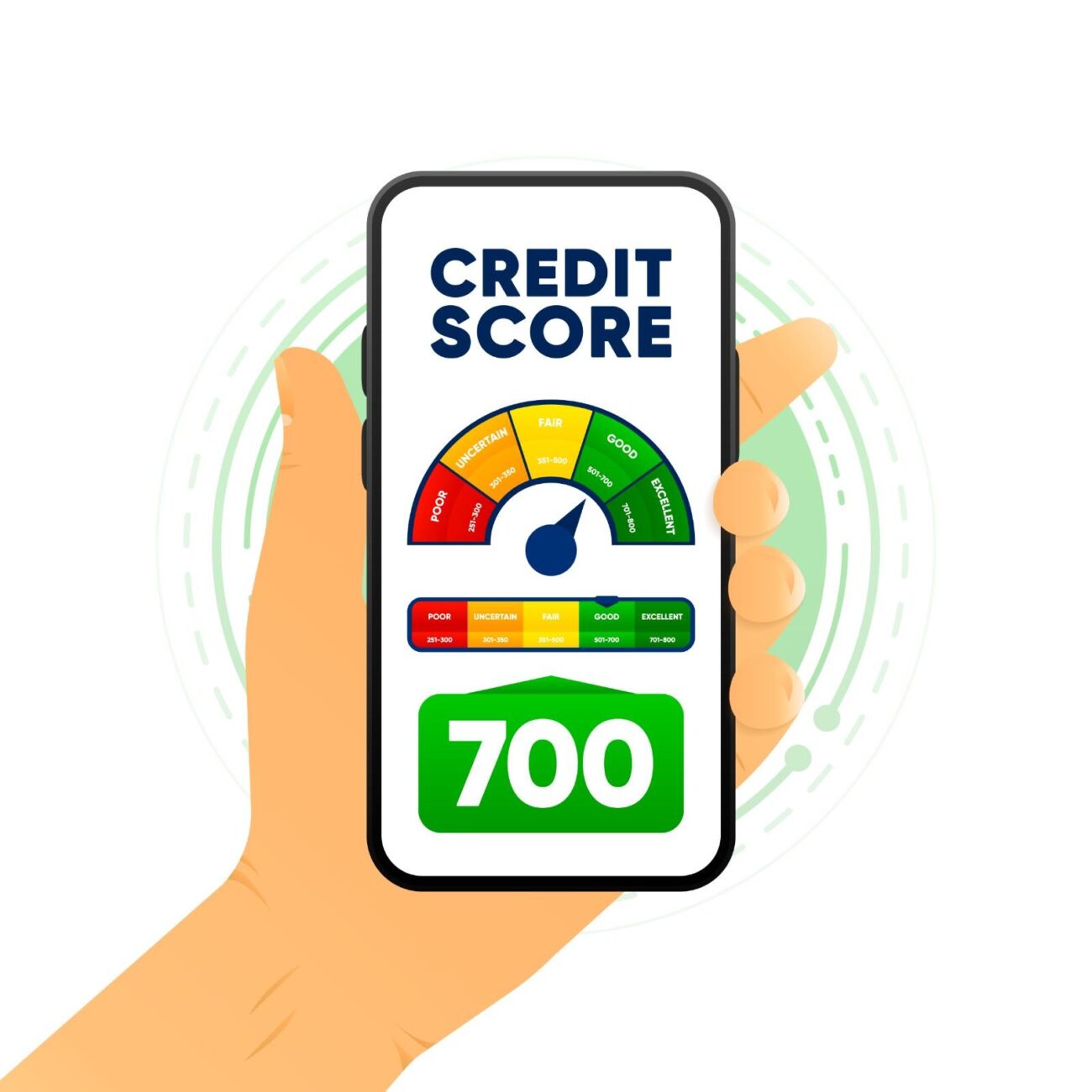
Compounding works both ways. When you save or invest, it is your best friend. But when you carry high interest debt, it is your worst enemy. If you owe money on a credit card at twenty percent interest, that debt is compounding against you. Every month you do not pay the balance in full, you are paying interest on your previous interest. It is a cycle that can easily lead to financial ruin if you are not careful.
The Credit Card Trap
Think about a typical credit card balance. If you make only the minimum payments, the interest charges often account for the majority of what you are paying. You end up paying for a pizza you bought three years ago. This is the exact opposite of wealth building. It is wealth extraction. Avoiding high interest debt is just as important as investing because every dollar you save in interest payments is a dollar that could have been invested to work for you.
How to Harness This Power for You
To put this into action, you need three things: consistency, time, and a vehicle for growth. Consistency means adding to your investment regularly, even if the amount is small. Time means staying invested through market ups and downs. The vehicle refers to where you put your money, such as a retirement account, index funds, or compound interest savings accounts. The goal is to set up a system that runs automatically so you are not tempted to interfere with the process.
Investing Strategies That Leverage Compounding
The most effective strategy is a boring one: long term index fund investing. By diversifying your money, you reduce risk while allowing your investments to grow alongside the overall economy. Reinvesting your dividends is another crucial component. When your investments pay you cash, do not spend it. Buy more shares with that cash. This adds to your principal, which in turn grows the next round of dividends. It creates a self sustaining feedback loop of wealth accumulation.
Common Mistakes That Kill Growth
The biggest mistake is panic selling when the market dips. When stock prices drop, people get scared and sell, locking in their losses. But if you hold through the volatility, you benefit when the market eventually recovers. Another mistake is ignoring fees. High investment fees act like a parasite on your compound interest. Over thirty years, a one percent difference in fees can cost you tens of thousands of dollars. Keep your costs low and your time horizon long.
Final Thoughts on Your Financial Future
Understanding compound interest is the first step toward true financial independence. It shifts your perspective from how much you earn to how much you allow your money to grow. By embracing the power of time and consistency, you can build a safety net that protects your future and provides you with the freedom to live life on your own terms. Start today, stay the course, and let the mathematics of compounding do the heavy lifting for you.
Frequently Asked Questions
1. Is it ever too late to benefit from compound interest? It is never too late to start, but the earlier you begin, the easier it is. Even if you start later in life, the effect of compounding will still be better than not saving at all.
2. How often should I check my investments? Ideally, very rarely. Checking too often leads to emotional decision making. Set up automatic contributions and check once or twice a year to ensure everything is still aligned with your goals.
3. Do I need a lot of money to see the effects of compounding? No. Because compounding is about percentages and time, even starting with fifty dollars a month can turn into a substantial amount over forty years.
4. Why does debt feel so much faster than saving? High interest debt often has much higher rates than the average investment return, and it compounds daily. This is why it feels like an uphill battle to pay off loans compared to building savings.
5. Can I use compound interest in a savings account? Yes, though interest rates at banks are usually much lower than investment returns. While it is safer, it will not grow as fast as money invested in the stock market over the long term.