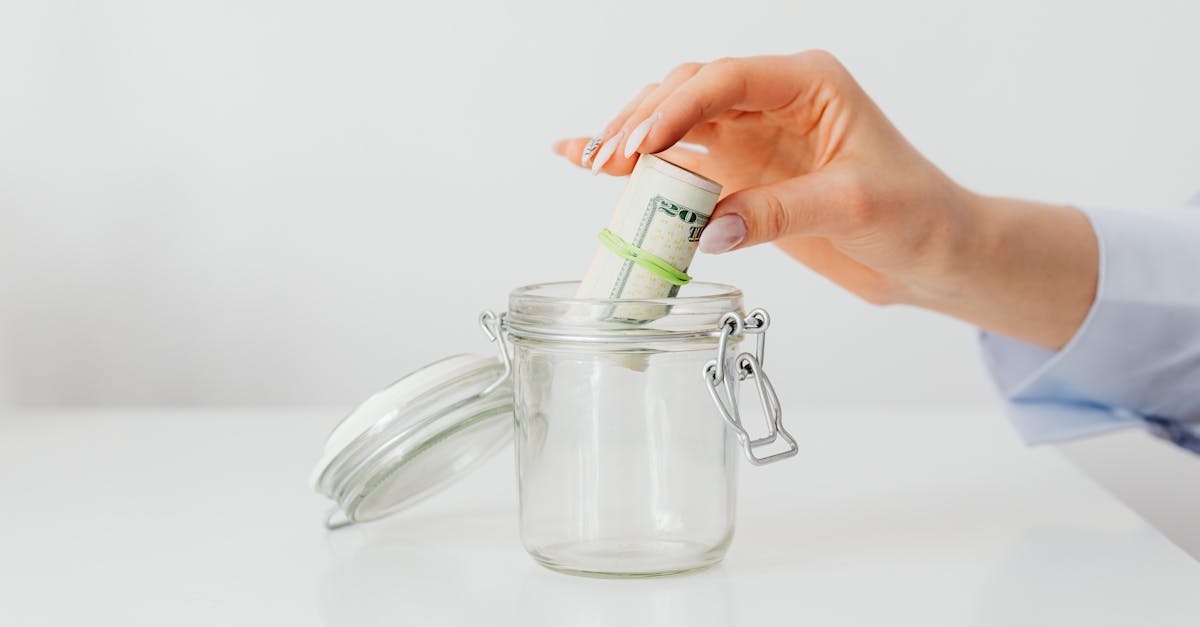

How to Save Money Without Feeling Deprived
Have you ever felt like your bank account is a cage? Many of us view saving money as a punishment, a miserable slog through spreadsheets and missed opportunities. We think that to build wealth, we have to stop living entirely. But here is the secret that financial gurus often forget to mention: saving money should not feel like a diet of nothing but rice and water. If you feel deprived, you are doing it wrong, and more importantly, you are likely to quit before you see real results.
The Psychology of Scarcity versus Abundance
When you start a budget with a scarcity mindset, your brain immediately flags it as a threat. You focus on what you lack rather than what you are building. It is like trying to run a marathon while staring at your sore feet instead of the finish line. To save effectively, you need to pivot toward abundance. This means viewing your savings as a way to buy your future freedom rather than a way to limit your current happiness.
Redefining Your Relationship with Spending
Spending is not inherently evil. In fact, money is a tool designed to be used. The problem arises when we spend on autopilot. How many times have you swiped your card for something that brought you zero joy? That is the leak in your financial bucket. By shifting from mindless consumption to intentional spending, you can actually increase your quality of life while spending less money. It is not about spending nothing; it is about spending on the things that truly light you up.
The Art of the Conscious Tradeoff
Imagine your income as a limited resource in a video game. You have a finite amount of mana to cast spells. Every dollar you spend on a fancy coffee is one less dollar you can spend on a trip or a new hobby. This is the art of the conscious tradeoff. If you value travel more than dining out, then choosing to skip the cafe becomes an empowering decision rather than a restrictive one. You are choosing your priority, not just denying yourself.
Why We Overspend on Convenience
Convenience is the greatest thief of wealth. We pay for delivery fees, pre cut vegetables, and instant gratification services because we are tired. But when you look at these expenses, you realize you are paying a massive premium for someone else to save you five minutes. By reclaiming a small portion of your time, you can drastically reduce your monthly overhead without actually changing your lifestyle.
Automating Your Savings Without Effort
The easiest way to save is to never see the money in the first place. If you rely on willpower to move money into savings at the end of the month, you will eventually fail. We are creatures of habit, and willpower is a finite resource. Instead, automate your transfers. Treat your savings account like an essential bill, just like your electricity or internet. When the money moves before it hits your spending account, you learn to live on what remains, and you never feel the pinch.
The Power of Small Daily Contributions
Think of saving like watering a plant. You do not need to pour a whole gallon on it at once to make it grow. Consistent, small drops are more effective. Even if you only save five dollars a day, that adds up to over eighteen hundred dollars in a year. That is a vacation or an emergency fund jumpstart. These small amounts are invisible to your daily budget but become significant over time.
Dining Out Without Giving Up Your Social Life
Socializing is a huge part of being human. If you decide to go hermit mode to save money, you will eventually snap and blow your budget on a wild night out. Instead of cutting out social gatherings, change the format. Suggest a hiking trip, a movie night at home, or a potluck dinner. These activities often foster deeper connections than sitting in a loud bar or an expensive restaurant where you cannot hear each other speak.
Hosting Potlucks as a Financial Strategy
Potlucks are the ultimate hack for social butterflies on a budget. You get to host a party, enjoy diverse food, and keep the cost low for everyone involved. It turns an expensive outing into a community effort. Your friends will appreciate the effort, and you will find that the quality of your social life actually increases because you are in an environment where you can truly connect.
Strategic Shopping and Value Hunting
I am not talking about coupon clipping for hours. I am talking about being a smart consumer. When you need something, shop with a list. When you have a list, you have a mission. Without a list, you are just wandering through the aisles waiting for marketing tricks to seduce you. Buying items on sale that you were going to buy anyway is a win, but buying items you do not need just because they are on sale is a trap.
The 48 Hour Cooling Off Rule
This is my favorite rule for impulse control. If you see something you want, force yourself to wait forty eight hours before you buy it. Most impulses fade within an hour or two. If you still want the item after two days, you can buy it with a clear conscience. This simple delay prevents the buyer remorse that usually follows emotional spending.
Prioritizing Experiences Over Material Goods
Studies consistently show that people are happier when they spend money on experiences rather than physical stuff. A new smartphone loses its luster in a month, but a memory of a weekend road trip or a pottery class stays with you forever. When you focus your spending on experiences, you inherently save money because physical objects are often more expensive and more cluttered than the memories you build.
Finding Free Joy in Your Local Community
We often assume that fun costs money, but look at your surroundings. Libraries, public parks, community centers, and local festivals are often free or extremely cheap. Your city is full of hidden gems if you stop assuming that entertainment requires an entry fee. Finding joy in these spaces reconnects you with your local environment and saves your wallet from the cost of commercial entertainment.
The Maintenance Mindset for Longevity
We live in a disposable culture. Something breaks, we throw it out and buy a new one. This is a massive drain on your resources. Developing a maintenance mindset means learning to care for what you own. Repairing a pair of shoes, learning how to fix a minor appliance, or properly cleaning your car can extend their lifespans significantly. You are essentially giving yourself a raise by avoiding replacement costs.
Conclusion
Saving money is not a test of your ability to suffer. It is a testament to your ability to prioritize. By shifting your mindset from restriction to intentionality, you can build wealth while still enjoying the life you are living today. You do not need to give up your favorite things, but you do need to make sure those things are worth the price you are paying. Start small, automate your success, and focus on the things that bring genuine value to your life. Your future self will thank you, and your present self will not even miss the extra fluff.
Frequently Asked Questions
1. Can I still enjoy my hobbies while saving money?
Absolutely. The goal is to audit your spending to ensure you are funding the hobbies you love most, rather than spending money on things you do not even care about. You might have to cut back on low impact spending to afford the high impact stuff.
2. How do I stop impulse spending when I am stressed?
Stress is a major trigger for spending. Try to identify your emotional triggers and replace that spending habit with a free activity, like going for a run or calling a friend, to help process those feelings without hitting your wallet.
3. Is it possible to save if I have a low income?
It is certainly harder, but it is possible. Small, consistent efforts compound over time. Even saving a few dollars a week builds a habit that is invaluable, and it prepares you to save larger amounts once your income increases.
4. How long does it take to get used to a budget?
It usually takes about three months to settle into a new financial routine. Give yourself some grace during the first few weeks as you adjust your habits and learn what truly matters to you.
5. Should I stop all dining out to save money faster?
Not necessarily. If you love dining out, keep a line item for it in your budget. By cutting back on other areas, you can afford to enjoy your favorite restaurant occasionally without guilt, which is better for your long term motivation than total deprivation.