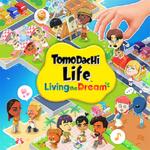

If you have ever wondered what it would feel like to watch tiny versions of your friends and family live on a floating island, fall in love, have arguments over food, and perform concerts in front of cheering crowds — then Tomodachi Life is exactly the kind of game that will keep you hooked for hours.
Tomodachi Life: Living the Dream is the highly anticipated follow-up to the beloved Nintendo 3DS title Tomodachi Life, originally released in 2014. This new chapter brings the same charming, unpredictable life simulation experience to a modern platform, with expanded features, deeper customization, and even more reasons to keep coming back.
This guide covers everything you need to know about the game — what it is, how it works, what makes it special, and tips to get the most out of your island life. Whether you are a long-time fan or discovering it for the first time, this article will walk you through everything clearly and honestly.
What Is Tomodachi Life Living the Dream?
Tomodachi Life: Living the Dream is a life simulation video game developed and published by Nintendo. It serves as a spiritual successor and evolution of the original Tomodachi Life game that became a cult favorite on the Nintendo 3DS.
The core concept is simple but endlessly entertaining. You create Mii characters — digital avatars that can look like anyone, including yourself, your friends, celebrities, or completely fictional people — and then move them onto a virtual island. From that point on, you watch their lives unfold in surprising, funny, and sometimes deeply strange ways.
Unlike most life simulators, you do not directly control what your Miis do. Instead, you act more like a caretaker or a god-like observer. Your Miis develop their own personalities, form relationships, fall in love, have feuds, develop quirky food preferences, and go on adventures — all with minimal direction from you.
The Living the Dream version expands this formula significantly, introducing new types of interactions, more detailed relationship mechanics, additional mini-games, and quality-of-life improvements that make the experience feel fresh even for veterans of the original.
Key Features That Make This Game Stand Out
Tomodachi Life: Living the Dream is packed with features that set it apart from other life simulation games on the market. Here is a breakdown of what you can expect.
Mii Customization and Personality System
Every Mii you create has a distinct personality that influences how they interact with others. You can adjust personality traits like being cheerful, laid-back, independent, or outgoing. These traits shape everything from how a Mii greets you to how they handle conflict or romance. The result is that every island feels genuinely different depending on who you populate it with.
Dynamic Relationship Building
The relationship system in Living the Dream goes far beyond simple friendship meters. Miis can develop deep friendships, rivalries, romantic feelings, and even long-term partnerships. Watching two Miis who hate each other slowly become best friends — or seeing a seemingly perfect couple break up because of a personality clash — creates genuine emotional investment.
Mini-Games and Activities
The game includes a wide range of mini-games and activities that keep the gameplay loop feeling varied. From musical performances and rap battles to cooking competitions and travel adventures, there is always something happening on your island.
Dream Sequences
One of the most beloved features returning from the original is the dream system. Your Miis fall asleep and have bizarre, surreal dreams that often involve the player or other Miis in completely unexpected scenarios. These sequences are funny, strange, and oddly touching.
Interior Decoration and Island Customization
Players can customize the apartments where their Miis live, adding furniture, decorations, and personal touches. The island itself can also be expanded and modified as you progress through the game.
Expanded Food System
Food plays a surprisingly deep role in the game. Each Mii has favorite and least favorite foods, and feeding them the right things affects their mood, health, and even their relationship with you. Discovering each character’s unique food preferences is a satisfying mini-game in itself.
How Tomodachi Life Living the Dream Works
Understanding the basic gameplay loop helps you appreciate how clever the design really is.
Step One: Building Your Island Population
You start by creating your first Mii and moving them onto the island. From there, you can add more Miis one at a time. Most players add people they know in real life, which makes the unpredictable behavior of the characters feel especially hilarious and personal.
Step Two: Meeting Daily Needs
Your Miis will occasionally call on you for help. They might be hungry, bored, sick, or upset about something. Responding to their requests keeps them happy and unlocks new content. Neglecting them leads to a sadder island with fewer interactions happening.
Step Three: Watching Relationships Develop
This is the heart of the game. Without much input from you, Miis will begin talking to each other, forming opinions, and building connections. You can nudge things along by introducing Miis to each other or giving relationship advice when asked, but the chemistry between characters develops organically.
Step Four: Participating in Events
The island regularly hosts events — concerts, sports days, parties, and seasonal celebrations. Participating in or watching these events rewards you with items, currency, and memorable moments.
Step Five: Exploring the Broader World
As your island grows, Miis can travel, go on adventures, and bring back souvenirs and stories. This feature adds a sense of a wider world beyond the island and keeps things feeling expansive even after many hours of play.
Advantages and Limitations
No game is perfect, and being honest about both sides helps you decide if this is the right experience for you.
Advantages
The biggest strength of Tomodachi Life: Living the Dream is its unique sense of humor and unpredictability. No two playthroughs are the same because the relationships and events that emerge depend entirely on the specific Miis you create and their personalities. It is genuinely funny in a way that feels unscripted.
The game is also highly accessible. You do not need to be a serious gamer to enjoy it. The low-pressure format makes it ideal for casual players, children, and anyone who wants a relaxing gaming experience without the stress of failure states or complex mechanics.
The depth of the personality and relationship systems rewards long-term investment. The longer you play and the more Miis you add, the richer and more complex your island becomes.
Limitations
The gameplay can feel slow during the early hours before you have built up a meaningful population. With only a few Miis on the island, events are less frequent and the world feels sparse.
The hands-off nature of the game is a feature for some players but a frustration for others. If you prefer direct control over story outcomes or character decisions, the observer-style format may feel too passive.
Some players also note that the game can become repetitive over very long play sessions, particularly if you are not regularly adding new Miis or engaging with all available features.
Best Practices and Tips for New Players
Getting the most out of Tomodachi Life: Living the Dream requires a bit of strategy and a willingness to invest time in building your island. Here are some practical tips.
Add Miis Based on Real People You Know
The game becomes significantly more entertaining when the characters feel personal to you. Watching a digital version of your best friend fall in love with a digital version of your favorite musician creates moments that feel uniquely yours. Take the time to set up Miis properly with accurate personality settings.
Pay Attention to Personality Compatibility
Not every Mii will naturally get along with every other Mii, and that is okay. Part of the fun is discovering which personalities clash and which ones form unexpected bonds. However, if you want to encourage a specific friendship or romance, try pairing Miis whose personality types complement each other.
Check In Regularly But Not Obsessively
The game rewards regular, short play sessions more than long, infrequent ones. Checking in once or twice a day gives you time to respond to Mii requests, catch events, and let relationships progress naturally without feeling overwhelmed.
Experiment With Food
Try different food items with each Mii and pay attention to their reactions. Finding a character’s all-time favorite food gives you a significant happiness boost and deepens your connection with that Mii, which unlocks new interaction options.
Keep Your Island Population Diverse
A mix of personality types, ages, and relationship dynamics makes your island more interesting. Having too many similar personalities can make the social dynamics feel flat. Aim for variety in who you add to the island.
Use the News Feature
The in-game news system gives you updates on what has been happening on your island while you were away. Reading this regularly helps you stay on top of relationship changes and events you might have missed.
Common Mistakes to Avoid
Even experienced players fall into some of these traps. Knowing them in advance saves you a lot of frustration.
Ignoring Unhappy Miis
When a Mii is unhappy and you repeatedly ignore their requests, their mood deteriorates significantly. This affects how they interact with others and can even strain their relationships. Make it a habit to address unhappy Miis as soon as you notice them.
Adding Too Many Miis Too Quickly
It is tempting to populate your island as fast as possible, but adding too many characters before you have established a feel for the existing ones can be overwhelming. Start with a small core group of five to ten Miis and expand gradually.
Neglecting the Mini-Games
Mini-games are not just entertainment — they often reward you with items and currency that are useful for other aspects of the game. Skipping them entirely means missing out on resources that can meaningfully improve your island.
Forcing Relationships
Trying too hard to push specific Miis into a romantic relationship when the game is not moving naturally in that direction often backfires. The relationship system works best when you let it develop at its own pace and only nudge things along when asked.
Frequently Asked Questions
What platforms is Tomodachi Life Living the Dream available on?
Tomodachi Life: Living the Dream is a Nintendo game, making it available on Nintendo platforms. Check the official Nintendo website for the most current and accurate platform information, as availability can vary by region.
Is Tomodachi Life Living the Dream suitable for children?
Yes, the game is designed for a broad audience and is generally considered family-friendly. Its humor is playful and wholesome, and the content is appropriate for children as well as adults. Parents should always review the official rating before purchasing for young children.
How is this different from the original Tomodachi Life on 3DS?
Living the Dream builds on the foundation of the original while introducing expanded relationship mechanics, new mini-games, more customization options, and quality-of-life improvements. Players familiar with the 3DS version will recognize the core loop but find meaningful new content to explore.
Can you play Tomodachi Life Living the Dream with friends online?
Online and multiplayer features vary. Check the official Nintendo game page for the most current information on connectivity and multiplayer options available in your region.
How long does it take to fully experience the game?
Tomodachi Life is designed for long-term, ongoing play rather than a fixed story with an ending. Many players enjoy it for hundreds of hours as their island grows and relationships evolve. There is no traditional finish line — the experience deepens over time.
Do Mii personalities actually affect gameplay in a meaningful way?
Absolutely. Personality settings influence how Miis interact, what foods they prefer, how quickly they form friendships, and how they respond to conflict. Taking time to set personalities accurately makes the game significantly more interesting and personal.
Conclusion
Tomodachi Life: Living the Dream is one of those rare games that is genuinely difficult to describe to someone who has never played it. It is funny, strange, heartwarming, and endlessly surprising. The magic comes from the feeling that your island has a life of its own — that the relationships and events unfolding are not just scripted sequences but something that feels genuinely emergent and personal.
Whether you are a longtime fan of the original or a newcomer curious about what all the excitement is about, the game offers a welcoming and endlessly entertaining experience. The low barrier to entry, combined with surprising depth over longer play sessions, makes it a worthwhile addition to any Nintendo player’s library.
If you are interested in learning more, the best place to start is the official Nintendo website, where you can find trailers, feature highlights, and regional availability information. Explore the official content, read community discussions from fellow players, and get ready to build an island full of characters that will genuinely surprise you.