
Let us be honest for a second. The mere mention of the word recession sends a chill down most people’s spines. We think of empty storefronts, dwindling bank accounts, and that unsettling feeling of uncertainty. But here is the secret most financial experts know: a recession is not necessarily a death sentence for your personal wealth. It is more like a massive storm. You cannot stop the clouds from gathering, but you can definitely board up your windows and check your roof beforehand.
Preparing for a recession is all about shifting your mindset from reactive to proactive. Instead of crossing your fingers and hoping for the best, you build a fortress around your finances so that when the economy dips, you remain standing tall. It is not about living in fear; it is about building resilience. In this guide, we are going to dive deep into how you can recession proof your life, keep your head above water, and perhaps even find opportunities when others are panicking.
What Is a Recession and Why Does It Matter?
Think of the economy like a living, breathing creature. Sometimes it runs fast, and sometimes it needs to catch its breath. A recession is essentially that period where the economy takes a nap. Technically, it is defined as two consecutive quarters of declining economic growth. For the average person, this manifests as higher unemployment, reduced consumer spending, and tighter credit. It matters because it impacts your ability to earn, spend, and grow your wealth. When the tide goes out, you want to make sure you are not left standing there without a swimsuit.
Building an Ironclad Emergency Fund
If your emergency fund is currently non existent or looks like a sad pile of loose change, consider this your wake up call. An emergency fund is your financial shock absorber. Without it, every unexpected car repair or medical bill feels like a personal crisis during a recession.
Calculating Your True Monthly Needs
Most people make the mistake of looking at their income rather than their essential survival costs. To calculate your needs, list your absolute bare minimums: rent or mortgage, utilities, food, insurance, and minimum debt payments. Forget the gym membership you rarely use or the fancy coffee subscription for now. If you lose your job tomorrow, what is the number you need to stay afloat? Aim for three to six months of these essential expenses tucked away in a high yield savings account.
Where to Stash Your Cash
Do not put your emergency fund under your mattress or in a volatile stock market account. You want liquidity and safety. Look for high yield savings accounts that offer competitive interest rates. The goal is to keep this money safe from inflation while ensuring you can grab it within twenty four hours if the roof starts leaking or the layoff notice comes through.
Taming the Debt Monster Before Trouble Hits
Debt is like a heavy anchor. In good times, you might be able to drag it along without much effort. But in a recession, when the water gets rough, that anchor can drag you down to the bottom. Reducing debt before a downturn is the single most effective way to lower your monthly overhead.
Prioritizing High Interest Debt
If you are carrying credit card debt with interest rates hovering near twenty percent, you are essentially paying for a luxurious lifestyle that you can no longer afford if your income drops. Focus on the snowball or avalanche method. Take your extra cash and attack those high interest accounts first. It is the best return on investment you will ever get.
Exploring Refinancing and Consolidation
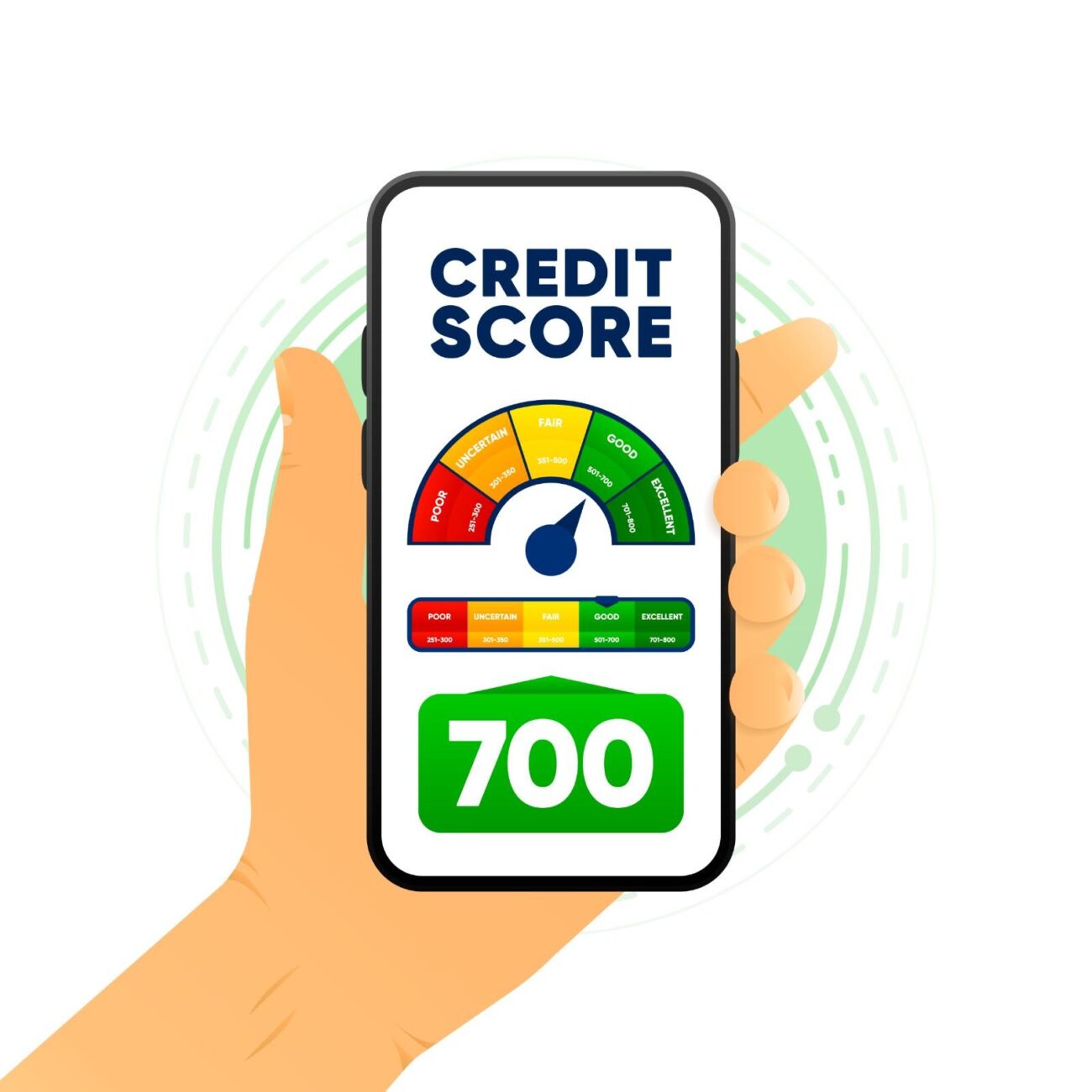
If you have high interest personal loans or a mortgage that could be adjusted, now is the time to act. Banks are often more willing to work with you when your credit score is still strong and you have a steady job. Lowering your interest rate reduces your monthly payment, which creates instant breathing room in your budget.
The Power of Multiple Income Streams
Relying on a single paycheck is a risky game. It is like balancing on a one legged stool. If that leg breaks, the whole thing comes crashing down. Diversifying your income means creating multiple entry points for money to flow into your life.
Is a Side Hustle Worth Your Time?
Absolutely. Whether it is freelancing, consulting, or selling items online, a side hustle acts as a hedge against job loss. Even if it only covers your grocery bill, that is one less thing you have to worry about if your main employer decides to cut staff. The goal is to build a secondary income stream that is not tied to your primary employer.
Building Passive Income Walls
Passive income is the holy grail. It is money that shows up while you are sleeping. Think dividends from index funds or modest rental income. While it takes time to build, even small amounts of passive income can stabilize your finances when active income sources become volatile.
Tightening the Belt Without Losing Your Sanity
Budgeting often gets a bad rap for being restrictive. In reality, it is just telling your money where to go instead of wondering where it went. During a recession, you need to turn your budget into a precision instrument.
Advanced Budgeting Techniques for Lean Times
Consider moving to a zero based budget. This means every dollar you earn is assigned a job, whether it is for savings, debt repayment, or living expenses. At the end of the month, your income minus your expenses should equal zero. This forces you to be hyper aware of every single transaction.
Identifying Hidden Expenses
Go through your bank statements for the last three months. Look for those ghost subscriptions, the double memberships, and the recurring fees for services you forgot you had. It is surprising how quickly twenty dollar a month charges add up to a significant annual expense. Trim these immediately.
Career Recession Proofing Strategies
Your job is likely your biggest asset. Treating your career with care is vital when the economic forecast is gloomy. You want to be the employee that the company fights to keep, not the one they put on the layoff list.
Upskilling to Stay Relevant
Technology is changing fast. If you are not learning, you are falling behind. Identify the skills that are currently in high demand in your industry and start developing them. Whether it is a new software certification or a soft skill like project management, being a versatile employee makes you much harder to replace.
The Invisible Safety Net of Networking
Networking is not just for finding a new job; it is for maintaining your professional standing. Stay active in your industry circles. When people know your value, they are more likely to reach out with opportunities if you happen to find yourself out of a role. Your professional reputation is your best insurance policy.
Adjusting Your Investment Portfolio
Investing during a recession is counterintuitive. When prices drop, the logical reaction is to run for the hills. However, this is exactly when the best investors are building their wealth for the next decade.
Why Panic Selling Is Your Worst Enemy
Panic selling is how you turn a temporary paper loss into a permanent real loss. If you are a long term investor, a recession is just a blip on the radar. Unless you need that money for survival in the next year, keep your investments where they are. Focus on your long term strategy rather than the daily market noise.
Diversification Tactics for Volatile Markets
Do not put all your eggs in one basket. Ensure your portfolio is spread across different sectors, asset classes, and geographies. If tech stocks are tanking, maybe healthcare or utilities are holding steady. A well diversified portfolio is designed to weather the storm without requiring you to make drastic, emotional changes.
Conclusion
Preparing for a recession is not about being a pessimist. It is about being a realist. By tightening your budget, building a solid emergency fund, reducing your debt, and keeping your professional skills sharp, you are not just surviving; you are creating a foundation that will serve you regardless of the economic climate. The best time to start these habits was yesterday, but the second best time is right now. Take control of your financial ship, and you will find that even the roughest waves cannot knock you off course.
Frequently Asked Questions
1. Should I stop investing during a recession?
No, you should generally stay the course. Stopping your investments during a downturn means you miss out on buying assets at discounted prices, which will hurt your long term growth potential.
2. How much cash is enough for an emergency fund?
A good rule of thumb is to have at least three to six months of essential living expenses. If your income is variable or you are in a high risk industry, aim closer to the nine or twelve month mark.
3. Is it better to pay off debt or save cash during a recession?
It is a balancing act. If you have high interest debt, prioritize that. If your debt is low interest, focus on building your cash savings first to ensure you have a buffer against unexpected job loss.
4. What should I do if I lose my job during a recession?
File for unemployment benefits immediately, contact your creditors to explain your situation, and trim your budget to the bare minimum. Focus your energy on networking and upskilling rather than panicking about the job market.
5. Can I use my 401k for emergencies?
Using your 401k for emergencies is generally a last resort. You will likely face taxes and penalties, and you lose the benefit of tax deferred growth. Explore every other option before dipping into your retirement nest egg.