
Have you ever looked at your bank account at the end of the month and wondered where all your money went? You aren’t alone. We all make financial mistakes, but some choices have a way of haunting us long after the credit card bill is paid. When we talk about bad financial decisions, we usually think about the immediate loss of cash. However, the true cost is almost always hidden, buried beneath layers of interest rates, lost opportunities, and mental exhaustion. Think of a bad financial decision like a pebble thrown into a still pond. The splash is small, but the ripples eventually reach the shore, affecting every corner of your life. In this article, we are going to peel back the curtain on these hidden costs and show you exactly how to regain control of your wallet and your future.
The Psychology Behind Bad Financial Decisions
Why do we buy things we do not need with money we do not have? It is rarely about math and almost always about emotions. Our brains are wired for immediate gratification. When you see that shiny new gadget or book a luxury vacation on impulse, your brain releases dopamine. It feels good in the moment. The problem is that our internal reward system is ancient, while our financial environment is hyper modern. We are living in a world of one click purchasing and instant credit, which makes it far too easy to bypass our rational minds. Recognizing that you are making decisions based on comfort rather than logic is the first step toward building a shield against poor habits.
The Debt Spiral: A Slippery Slope
Debt is like a quicksand pit. The more you struggle to get out by taking on more debt to cover the old debt, the deeper you sink. The hidden cost here is not just the principal amount; it is the sheer weight of the interest. When you only pay the minimum balance on a credit card, you aren’t actually paying down the debt; you are merely feeding the beast of compound interest. This cycle creates a vacuum that sucks away your ability to save, invest, or plan for the future. You aren’t just paying for the item; you are paying for the privilege of owning it for years to come.
The Silent Thief: Compounding Interest Against You
Einstein famously called compounding the eighth wonder of the world. But it works both ways. When you invest, it builds wealth. When you carry high interest debt, it destroys it. Imagine you spend five hundred dollars on a luxury item today using a high interest credit card. If you let that balance sit for a few years, that five hundred dollars could easily morph into double or triple that amount. That is money you could have put into a retirement fund. By choosing consumption today, you are essentially stealing from your future self.
Lifestyle Inflation: Keeping Up With the Imaginary Joneses
As our income grows, our expenses tend to grow to match it. This is called lifestyle inflation. You get a raise, so you move to a bigger apartment. You get a bonus, so you buy a luxury car. It is a trap because it creates a high baseline for what you consider normal. The hidden cost is that you remain perpetually broke despite earning more money. You are constantly building a bigger boat, but the water level of your savings never actually rises. Breaking this habit means intentionally living below your means even when you do not have to.
Understanding Opportunity Cost: The Money You Never Saw
The most dangerous cost is the one you never see on a receipt. Every dollar you spend on a frivolous purchase is a dollar that cannot be invested. If you invest that dollar, it has the potential to grow. When you spend it, that growth potential dies immediately. This is the opportunity cost. It is the invisible loss of what could have been. If you spent ten dollars a day on lattes for a decade, you haven’t just spent thirty six thousand dollars. You have lost the tens of thousands of dollars that money would have generated if it were working for you in the market.
The Fallout of Not Having an Emergency Fund
Life is unpredictable. A car breakdown or a medical emergency is not a matter of if, but when. If you do not have a liquid emergency fund, these inevitable events force you to rely on credit or payday loans. This turns a simple inconvenience into a major financial crisis. The cost here is the high interest rates you pay to resolve a problem that could have been handled with cash. Not having a safety net is essentially betting that nothing will ever go wrong, and that is a losing bet every single time.
Investment Mistakes and Emotional Selling
Many people try to time the market, buying when things are hot and selling when they panic. This is the classic recipe for disaster. By reacting to news headlines or market fluctuations, you lock in losses that were only temporary on paper. The cost of these emotional decisions is the total derailment of your long term compound growth. True wealth building requires patience and a steady hand. Every time you switch strategies based on fear, you reset your progress.
The Lasting Shadow of a Damaged Credit Score
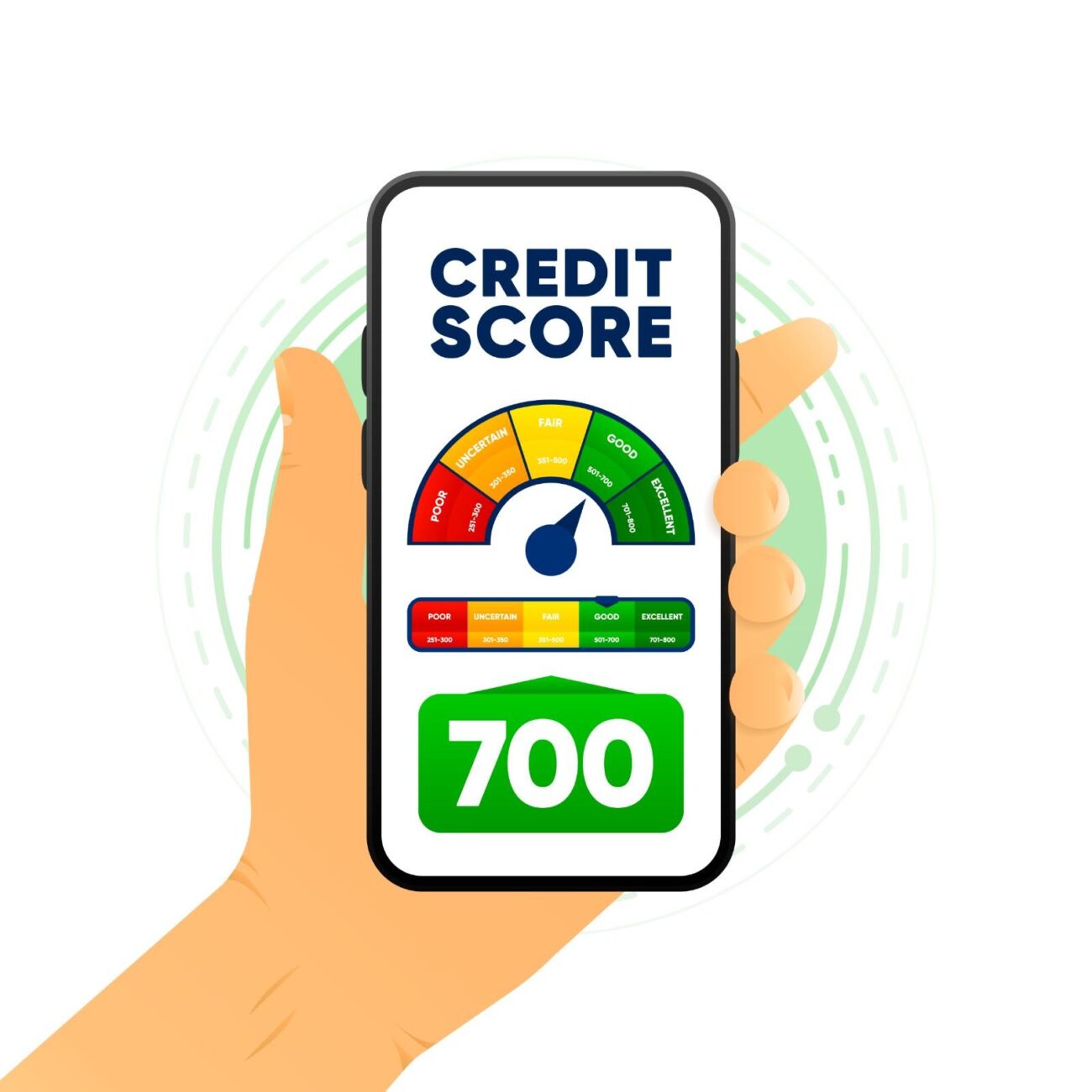
Your credit score is your financial reputation. A poor score acts like an anchor on your financial life. It means higher interest rates on mortgages, car loans, and even higher insurance premiums. Over the course of a lifetime, a bad credit score can cost you hundreds of thousands of dollars in interest alone. You end up paying more for the exact same products and services as someone with a good score. It is a hidden tax on poor financial habits.
How Financial Stress Impacts Your Physical Health
Money issues are a leading cause of chronic stress. This stress does not stay in your bank account; it manifests in your body as high blood pressure, insomnia, and anxiety. When you are constantly worried about how to pay the bills, your cognitive function declines, making it harder to make good decisions. You end up spending more money on healthcare and potentially losing productivity at work. The cost of bad decisions is often your own well being.
Tax Inefficiency: Giving Away Your Hard Earned Gains
Most people ignore the tax implications of their investments and income. If you do not understand how to use tax advantaged accounts like an IRA or 401k, you are essentially handing the government more money than you need to. Tax inefficiency is a silent drain on your portfolio. By learning a few basic tax strategies, you can keep more of what you earn and let that extra money compound for you.
The Ripple Effect on Personal Relationships
Money is one of the most common reasons for divorce and relationship conflict. When partners are not on the same page, the financial stress leads to resentment and broken trust. The cost of a bad financial decision can eventually be the loss of the most important people in your life. Financial transparency and shared goals are the only ways to prevent this damage.
Strategies for Breaking the Cycle
How do we stop this cycle? Start by tracking every penny for one month. You cannot manage what you do not measure. Next, automate your savings so that you pay yourself first before you even have a chance to spend the money. Set up a dedicated emergency fund, even if it is just a few hundred dollars to start. These small, mechanical changes take the emotion out of the equation and build a foundation of consistency.
Building Financial Literacy as a Defense
The best investment you can make is in your own brain. Read books on personal finance, listen to podcasts, and understand how compound interest and taxes work. The more you know, the less likely you are to be fooled by get rich quick schemes or predatory credit products. Financial literacy is your armor against the hidden costs of a complex economic world.
Turning the Tide: Your Path to Prosperity
Recognizing the hidden costs of bad financial decisions is a wake up call. It is not meant to make you feel guilty about your past; it is meant to empower your future. You cannot change what happened yesterday, but you have full control over the choices you make today. By understanding the psychology of spending, the math of interest, and the value of planning, you can transform your financial life from a source of stress into a foundation for true freedom. Start small, stay consistent, and remember that every dollar you save today is buying you the peace of mind you deserve tomorrow.
Frequently Asked Questions
1. How can I start tracking my finances if I feel overwhelmed?
Start with a simple notebook or a free app. You do not need to be a math genius. Just write down every single expense for thirty days to see where your money is actually going. Awareness is the first step toward change.
2. Is it ever too late to fix my credit score?
It is never too late. Start by paying your bills on time, lowering your credit utilization ratio, and checking your credit report for errors. It takes time, but it is a steady climb that will pay off significantly in the long run.
3. How do I balance living today with planning for the future?
Use the 50/30/20 rule as a guideline. Allocate 50 percent of your income for needs, 30 percent for wants, and 20 percent for savings and debt repayment. This allows you to enjoy life while still ensuring your future is protected.
4. Why is lifestyle inflation so hard to avoid?
It is hard because our social circles often dictate our spending habits. To avoid it, you need to set clear financial goals that matter more to you than external validation. When you have a vision for your future, saying no to a bigger apartment becomes easier.
5. Does financial stress really affect my physical health?
Yes, absolutely. Research consistently shows that financial anxiety causes long term elevated cortisol levels, which can lead to heart disease, weakened immune systems, and chronic pain. Managing your money is literally an act of self care.