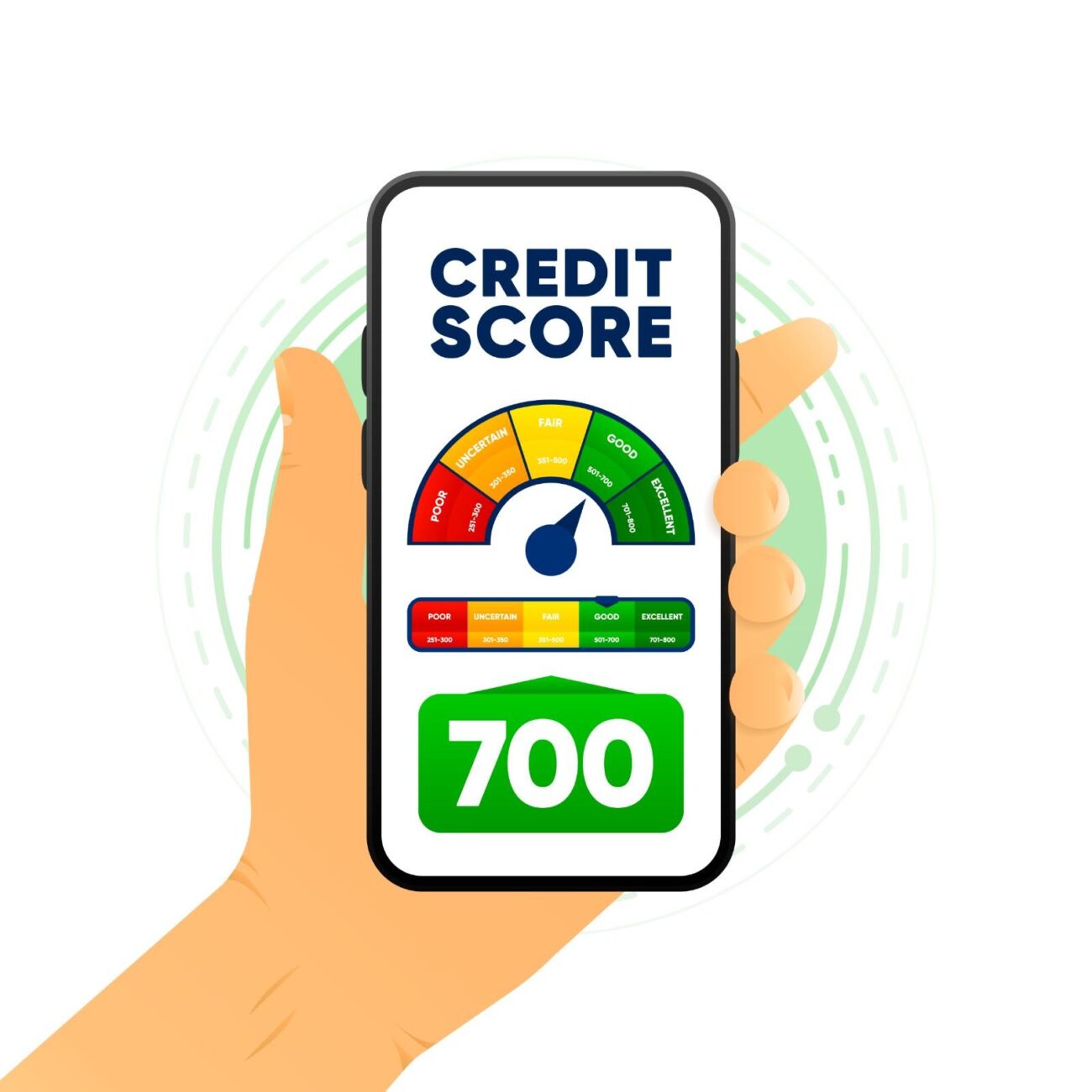

Have you ever felt like your credit score is a mysterious, invisible force controlling your life? It is that three digit number that determines whether you get the keys to your first apartment, the interest rate on your dream car, or even a job offer in the financial sector. Think of your credit score as your financial report card. Just like in school, a high grade opens doors to better opportunities, while a failing grade can keep you stuck in place. Improving your score is not just about bragging rights; it is about saving thousands of dollars in interest over your lifetime. Let us break down exactly how you can take control of your financial destiny, one step at a time.
Understanding the Anatomy of Your Credit Score
To fix the engine, you first need to understand how it works. Most credit scores are calculated using the FICO model, which looks at five main buckets of your financial life. The largest slice of the pie is your payment history, accounting for 35 percent of the total. The second biggest is how much you owe, or your credit utilization, at 30 percent. The length of your credit history, new credit inquiries, and your credit mix round out the rest. When you visualize it this way, you realize that you do not need to be a math genius to improve your score; you just need to be consistent with these five specific areas.
Step 1: Check Your Credit Reports for Errors
Before you start making big changes, you need to see what the bureaus are actually saying about you. You are entitled to a free credit report from the three major bureaus—Equifax, Experian, and TransUnion—every single week through official channels. Why check? Because mistakes happen. Sometimes a debt that was paid off three years ago is still listed as delinquent, or worse, someone else’s account is tied to your identity. If you find an error, file a dispute immediately. It is like cleaning the windshield of your car before driving; you cannot get to your destination safely if your view is obscured by grime.
Step 2: Master the Art of On-Time Payments
If payment history is the king of credit scoring, then missing a payment is the court jester trying to ruin your reputation. Even a single payment made thirty days late can tank your score by dozens of points. If you are struggling, focus all your energy on making at least the minimum payment on every single account by the due date. Once you master the “minimum,” you can start working on paying down the principal balances to save on interest.
Setting Up Automatic Payments
We are all busy, and it is easy to let a due date slip past while you are juggling work and life. The easiest way to guard against this is to set up autopay for the minimum balance on all your credit cards and loans. Even if you plan to pay more later in the month, having the minimum covered automatically provides a safety net that prevents those soul crushing late fees and derogatory marks on your report.
Step 3: Managing Your Credit Utilization Ratio
Your credit utilization ratio is a fancy term for how much of your available credit you are currently using. Imagine you have a credit card with a 1,000 dollar limit. If you have a balance of 900 dollars, you are utilizing 90 percent of your limit. That looks risky to lenders. Aim to keep your utilization under 30 percent, and if you really want to boost your score, aim for under 10 percent. It is like a high jumper; the lower the bar, the easier it is for the lender to trust that you can clear the hurdle.
The Debt Stacking Strategy
If you have multiple cards with high balances, use the debt stacking method. This involves listing all your debts by interest rate and attacking the one with the highest interest first while paying the minimums on others. By shrinking your balances across multiple cards, you quickly improve your utilization ratio across the board, which often leads to a faster jump in your credit score.
Step 4: Stop Applying for New Credit Constantly
Every time you apply for a new credit card or loan, the lender performs a hard inquiry on your credit report. A hard inquiry stays on your record for about two years and can drop your score by a few points. While one inquiry is not the end of the world, a string of them in a short period suggests to lenders that you are desperate for cash or living beyond your means. Think of this like a runner trying to start a race; if you keep false starting, the officials will stop trusting your ability to stay in the lanes.
Step 5: The Importance of Keeping Old Accounts Open
There is a common misconception that you should close old credit cards once they are paid off. Actually, the age of your credit accounts matters. A longer credit history shows that you have been managing credit responsibly over many years. If you close your oldest card, you shorten your average account age, which can negatively impact your score. As long as the card does not have a high annual fee, keep it open and maybe use it for a small, recurring subscription just to keep the account active.
Step 6: Diversifying Your Credit Mix
Lenders like to see that you can handle different types of debt. A mix of revolving credit, like credit cards, and installment loans, like a student loan or an auto loan, shows you have a balanced portfolio. You do not need to go out and take on debt just to diversify, but if you have successfully managed a credit card for years, you might find that adding a small installment loan and paying it off responsibly eventually helps you build a more robust credit profile.
Strategic Moves to Boost Your Score Quickly
Sometimes you need a little extra leverage to push that number higher. These strategies can provide a shortcut if your score is stagnant.
Becoming an Authorized User
If a parent or a trusted friend has a credit card with a perfect payment history and a long age, ask them to add you as an authorized user. You do not even need to use the card. The account history of that card will show up on your credit report. It is like being introduced to a group of friends by someone who is already well liked; their reputation gives you an immediate boost.
Exploring Credit Builder Loans
If you have no credit, a credit builder loan is a perfect starting block. You borrow a small amount, but the money is held in a secure account. You make monthly payments, and the bank reports your on-time behavior to the bureaus. Once the loan is paid off, you get your money back, and your credit score has matured. It is the ultimate low risk way to demonstrate your reliability.
Cultivating Long Term Financial Habits
A credit score is a reflection of your habits. If you treat your credit like a temporary loan you do not have to pay back, you will always be chasing your score. Instead, treat every credit card purchase as if the money is leaving your bank account immediately. When you maintain a lifestyle that stays within your means, your credit score naturally grows as a byproduct of your financial health. Patience is the secret ingredient here; building a great score is a marathon, not a sprint.
Debunking Common Credit Myths
Let us clear the air. Checking your own credit score does not hurt it. Carrying a balance every month does not help your score; it just costs you interest. And, you do not need to pay a third party repair company hundreds of dollars to fix your credit. Almost anything they can do, you can do yourself for free by simply following the steps outlined above. Take charge, stay informed, and ignore the myths designed to scare you into spending money on services you do not need.
Conclusion
Improving your credit score is entirely within your control. By checking for errors, making every payment on time, keeping your balances low, and resisting the urge to open new accounts constantly, you are setting yourself up for long term success. Remember that your score is not a reflection of your worth as a person, but it is a vital tool that can save you a significant amount of money over the years. Stay consistent, stay patient, and watch that number climb. Your future self will thank you every time you get approved for a lower interest rate on a loan or a new apartment.
Frequently Asked Questions
1. How long does it take to see an improvement in my credit score?
Usually, you can see changes within thirty to forty five days, which is typically the time it takes for creditors to report your updated information to the credit bureaus. Significant improvements, however, often take six months or more of consistent positive habits.
2. Will closing a credit card help my score?
Typically, no. Closing a credit card can actually hurt your score by reducing your total available credit and potentially shortening your average account age. It is better to keep it open unless the annual fee is too expensive.
3. Is it better to pay off debt or save money?
If you are carrying high interest debt, it is almost always better to pay that off first. The interest you pay on credit cards is usually much higher than any interest you would earn in a standard savings account.
4. Does my income affect my credit score?
Surprisingly, no. Your income does not appear on your credit report and is not used in the calculation of your FICO or VantageScore. Lenders look at your income during the loan application process, but it does not change the credit score itself.
5. Can I fix my credit score if I have had a bankruptcy?
Yes, but it takes time. Focus on rebuilding by getting a secured credit card or a credit builder loan. While the bankruptcy will stay on your record for seven to ten years, its impact will gradually fade as you add new, positive payment history to your report.