
Debt Snowball Vs Debt Avalanche: Which Works Best?
If you have ever felt like you are drowning in a sea of bills, credit card statements, and loan notices, you are certainly not alone. Debt often feels like a heavy backpack you are forced to carry while trying to climb a steep mountain. The question is, which path is the fastest or most effective way to drop that weight? In the personal finance world, two titans dominate the conversation: the Debt Snowball and the Debt Avalanche. Choosing between them is not just about math; it is about how you process stress and what motivates you to keep going until the job is done.
The Debt Snowball Method Explained
Think of the Debt Snowball as building an actual snowman. You start with a small clump of snow and roll it until it gains momentum. Popularized by financial experts like Dave Ramsey, this method focuses on paying off your smallest debt balances first, regardless of the interest rates attached to them. By ignoring the numbers on the screen and focusing on the number of accounts you can close, you build significant psychological momentum early on.
How the Debt Snowball Works in Practice
To start your snowball, list all of your debts in order of balance size, from the smallest to the largest. You pay the minimums on everything except for that tiny debt at the top of the list. Every extra dollar you find in your budget goes toward that first balance. Once it is gone, you take the entire payment amount you were using for that debt and roll it into the next smallest one. It is like a cascading effect that gets faster and more powerful as you go.
The Psychological Edge of the Snowball
Why would anyone choose this method if it technically costs more in interest? It is simple: human beings are not robots. When you pay off a debt, you get a rush of dopamine. That sense of accomplishment is fuel. If you have five credit cards and you pay one off in the first two months, you feel a massive sense of victory. That victory keeps you from quitting. The snowball method is essentially a game of motivation that tricks your brain into wanting to win more.
The Debt Avalanche Method Explained
If the snowball is the emotional choice, the debt avalanche is the mathematical machine. With this strategy, you list your debts not by size, but by interest rate. You target the loan with the highest interest rate first, such as a high interest credit card or a payday loan. Mathematically, this is the most efficient way to pay off debt because you are stopping the bleeding where it hurts the most: the high fees charged by creditors.
Why the Math Favors the Avalanche
When you focus on the highest interest rate, you save the maximum amount of money over time. Every dollar you put toward a 24 percent credit card saves you much more than a dollar put toward a 4 percent student loan. The avalanche is about minimizing your total debt cost so you can get out of the hole in the shortest time possible while paying the least amount of interest to the bank.
Debt Snowball Vs Debt Avalanche: A Direct Comparison
So, which one wins? If you look at it through a purely objective, mathematical lens, the avalanche is superior. It is faster, cheaper, and more efficient. However, life is lived in the real world, not on a spreadsheet. If you find the avalanche method too slow because you have a massive, high interest loan that will take years to pay off, you might feel discouraged. The snowball method might cost more in interest, but it could be the difference between finishing your debt repayment plan or throwing in the towel because you did not see enough progress.
How to Choose the Right Strategy for Your Life
Choosing the right path requires total honesty with yourself. Ask yourself if you are the type of person who needs quick wins to stay motivated, or if you are highly disciplined and logical. If you struggle with consistency, the snowball is your best friend. If you love crunching numbers and hate the idea of paying a single cent more than necessary to a credit card company, choose the avalanche.
Is Your Personality Better Suited for One Over the Other?
Your personality plays a massive role in your financial success. If you are prone to retail therapy or have a history of giving up on diets or workout programs, you probably have a low tolerance for delayed gratification. For these individuals, the avalanche often feels like a slog. On the flip side, if you are a analytical thinker, you might find the snowball frustratingly inefficient. Listen to your gut; you are the one doing the work, so pick the system you can actually stick to.
When Your Financial Situation Dictates the Choice
Sometimes, your financial situation forces your hand. If you are dealing with extreme high interest debt that is pushing you toward bankruptcy, you might not have the luxury of choosing based on emotion. You may need the math of the avalanche to prevent your debt from spiraling completely out of control. Always evaluate your current interest rates before making a final decision.
Common Pitfalls to Avoid Regardless of Strategy
Regardless of the method, the biggest mistake people make is not having a budget. You cannot pay off debt if you do not know where your money is going. Another pitfall is trying to attack debt without an emergency fund. If you throw every dollar at your debt and a tire blows out, you will likely end up using a credit card to pay for it, which destroys your progress. Keep a small cushion, then attack the debt with everything else.
Staying Consistent: The Key to Debt Freedom
The best debt strategy is the one you actually finish. Consistency beats intensity every single time. It is better to make slow, steady payments for two years than to try an aggressive strategy for three months and give up because you felt overwhelmed. Create a plan, automate your payments if possible, and check in on your progress monthly. Seeing that total debt number drop is the ultimate reward.
Using Tools and Apps to Track Progress
We live in an age of incredible financial technology. Use it. Whether you use a simple Excel spreadsheet, a dedicated debt payoff app, or even a whiteboard on your wall, visual feedback is crucial. Seeing your debt balance go down in real time provides that necessary motivation to keep pushing forward, especially on the days when you would rather spend that money on something else.
The Importance of Avoiding New Debt While Repaying
This is the golden rule of debt repayment: stop borrowing. It sounds obvious, but many people continue to use credit cards for daily expenses while trying to pay off their old balance. You are effectively trying to fill a bucket with a hole in it. If you are paying off debt, hide the credit cards. Switch to cash or a debit card so you are forced to spend only what you currently have. You cannot climb out of a hole if you keep digging.
Conclusion: Finding Your Path to Financial Freedom
Ultimately, the battle between the Debt Snowball and the Debt Avalanche is a personal one. Both methods lead to the same destination: a life free from the burden of debt. Whether you choose the psychological boost of the snowball or the mathematical efficiency of the avalanche, the most important factor is your commitment. You are reclaiming your future, one payment at a time. Take a deep breath, pick the strategy that makes you feel most empowered, and start your journey today. Your future self will thank you for the effort you put in right now.
Frequently Asked Questions
1. Can I switch between the debt snowball and the debt avalanche?
Yes, you can. While consistency is key, if you start with one and find it is not working for your mindset or your budget, you are allowed to pivot. The goal is to pay off the debt, not to be a prisoner to a specific strategy.
2. Should I prioritize savings or debt repayment?
It is generally recommended to save a small emergency fund of one thousand dollars first. This protects you from having to use credit cards when unexpected expenses arise while you are working on your debt.
3. Does paying off smaller debts first hurt my credit score?
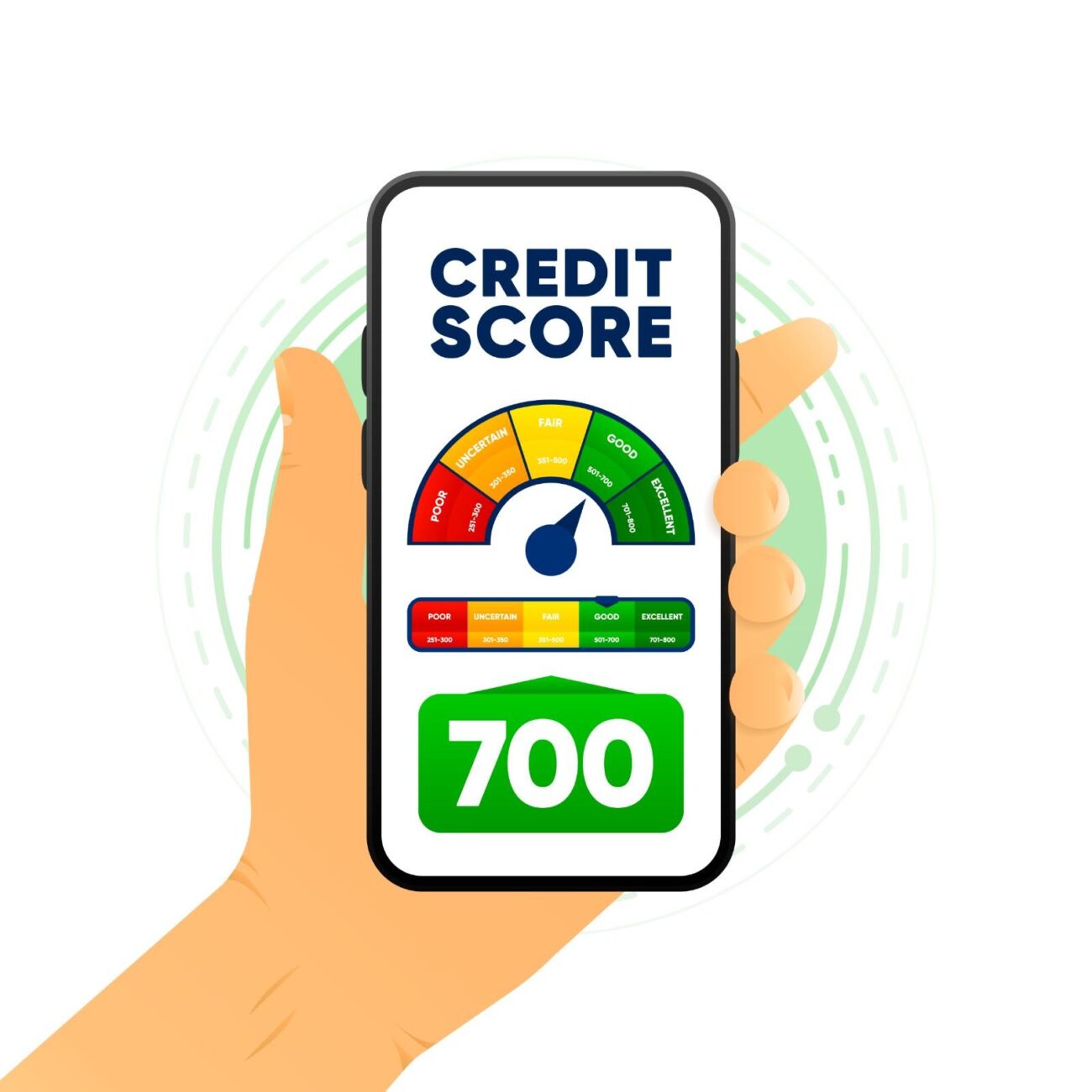
Your credit score is influenced by several factors, including your credit utilization ratio and payment history. Paying off any debt helps your utilization over time. The specific method you use does not change the fact that lowering your balances is beneficial for your credit score in the long run.
4. How do I handle multiple debts with the same interest rate?
If you are using the avalanche method and have two debts with the same high interest rate, pay off the one with the smaller balance first. This allows you to close one account faster, which simplifies your finances and gives you a small win.
5. Is it ever okay to keep a debt balance while investing?
This depends on your interest rates. If your debt has a very high interest rate, like twenty percent, it is usually better to pay that off before investing, as you are unlikely to get a twenty percent return in the stock market. If your debt interest rate is low, such as three percent, you might choose to invest while making minimum payments on the debt.