
Introduction: Why Your 20s Are Your Secret Financial Weapon
If you are in your 20s, you are currently holding the most valuable asset in the financial world. It is not a stock, a piece of real estate, or a cryptocurrency. It is time. You have decades ahead of you to let compound interest work its magic. Think of building wealth like planting a massive oak tree. The best time to plant was twenty years ago, but the second best time is right now. Most people waste their 20s thinking they have plenty of time to get serious later, but every dollar you invest today is worth exponentially more than a dollar invested in your 40s. Are you ready to stop drifting and start building?
The Wealth Building Mindset Shift
Wealth building starts in your head before it shows up in your bank account. You have to stop viewing money as something to be spent to signal status and start viewing it as a tool that buys you freedom. When you buy a fancy car or clothes you cannot afford, you are trading your future freedom for a fleeting moment of validation. Shift your focus from looking rich to actually being wealthy. Being wealthy is about the assets you own, not the stuff you display.
Mastering Your Cash Flow: The Foundation
You cannot build a skyscraper on a swamp. Your budget is your foundation. If money flows out faster than it comes in, you will never accumulate anything. You do not need a restrictive, soul crushing spreadsheet. Just track your income and your expenses for thirty days. Where is the money going? Often, we find hundreds of dollars leaking out of our bank accounts through forgotten subscriptions or mindless daily purchases. Track it, categorize it, and give every single dollar a job to do before the month begins.
Strategic Debt Management
Not all debt is created equal. High interest debt, like credit cards, is a financial parasite. It eats your wealth before you even have a chance to grow it. If you have credit card debt, pay that off with the intensity of a wildfire before you worry about stock market gains. However, low interest debt, like a student loan or a mortgage, is a different beast. You do not always need to rush to pay those off if you can earn a higher rate of return by investing that cash elsewhere.
Why You Need An Emergency Fund Before Investing
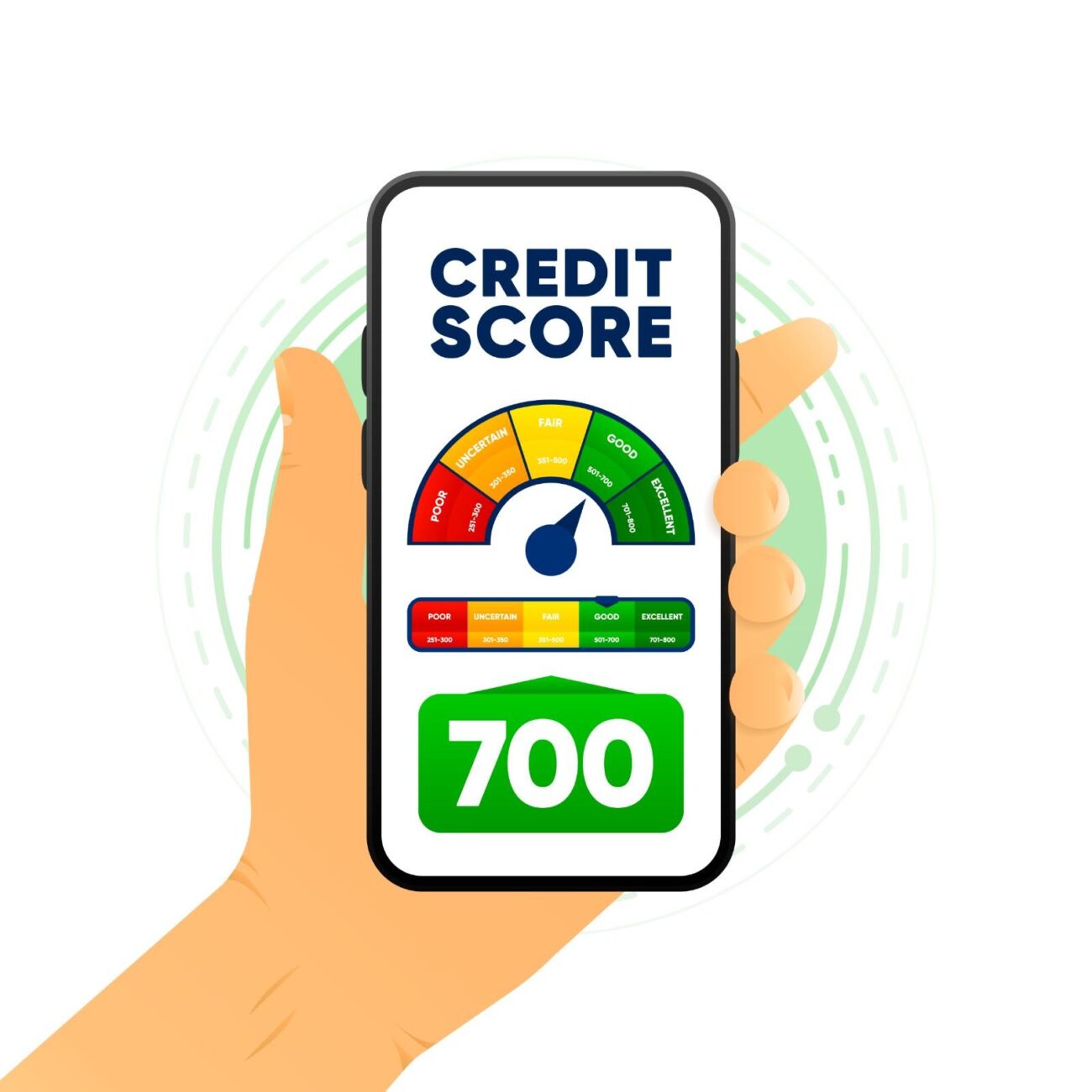
Life happens. Cars break down, jobs get lost, and medical bills appear out of nowhere. If you do not have an emergency fund, these small bumps in the road force you back into credit card debt, erasing your progress. Aim to save three to six months of living expenses in a high yield savings account. This is not for fancy purchases. This is your personal insurance policy, and it provides the peace of mind necessary to keep investing even when the market gets shaky.
The Power Of Compound Interest
Compound interest is the eighth wonder of the world. Imagine your money is a snowball rolling down a hill. At the top, the ball is tiny and moves slowly. But as it rolls, it picks up more snow, getting bigger, which in turn picks up even more snow. By the time it reaches the bottom, it is massive. That is exactly what happens with your investments. By starting in your 20s, you give that snowball the longest possible hill to roll down. You do not need to be a genius or a Wall Street trader; you just need to be consistent and patient.
Understanding Retirement Accounts
The Magic Of A Roth IRA
A Roth IRA is arguably the best gift the government gives to young investors. You pay taxes on the money now, but when you withdraw it in retirement, your contributions and your growth are entirely tax free. Imagine putting in a few thousand dollars now and having it grow to hundreds of thousands over forty years without owing a single cent to the tax man. It is a powerful engine for building long term wealth.
Leveraging Your Employer Match
If your employer offers a 401k match, you should treat it like free money being left on the table. If they match fifty percent of your contribution, that is an immediate fifty percent return on your investment before the market even moves. Never, ever walk away from a match. It is the closest thing to a guaranteed return you will find in the world of finance.
Increasing Your Earning Potential
Developing High Income Skills
While cutting costs is important, your ability to earn more is the true multiplier of wealth. Focus on learning skills that the market values highly. Coding, data analysis, sales, digital marketing, or specialized technical trades are all paths to high income. The more value you provide to the world, the more the world will pay you. Invest in yourself. Take courses, read books, and find mentors. Your brain is your greatest income generating asset.
Starting A Side Hustle The Right Way
We live in a digital age where starting a business is easier than ever. You do not need to quit your job to start a side hustle. Whether it is freelancing, selling products online, or creating content, a side hustle provides an extra income stream that you can pour directly into your investments. The key here is to keep your overhead low. Do not try to build a massive business; focus on solving one specific problem for people who are willing to pay for it.
Choosing Your Investment Strategy
Why Index Funds Are Your Best Friend
You do not need to pick the next Apple or Amazon. In fact, trying to beat the market is a recipe for disaster for most people. Instead, buy the entire market. Low cost index funds allow you to own a small piece of hundreds or thousands of the best companies in the world. They are cheap, they are diversified, and historically, they outperform most professional stock pickers over long periods. Set up automatic monthly investments and ignore the news cycle.
Understanding Risk Tolerance
In your 20s, you can afford to take more risks because you have time to recover from market downturns. If the market drops twenty percent, it does not matter much if you are not planning to touch that money for three decades. Do not panic when things go red. Volatility is just the price you pay for higher returns. Stay the course and let time do the heavy lifting.
Avoiding Lifestyle Inflation
As your income grows, your urge to upgrade your lifestyle will grow right along with it. This is the biggest wealth killer. When you get a raise or a bonus, keep living like you have your old salary. Use the surplus to increase your investment contributions. If you constantly upgrade your lifestyle to match your income, you will be on a treadmill forever. Keep your expenses static as your income rises, and you will achieve financial independence much faster than you think.
Conclusion: The Long Game
Building wealth in your 20s is not about instant gratification or finding the next big thing. It is a slow, methodical process of discipline, learning, and patience. By automating your savings, investing in low cost funds, managing your debt, and avoiding the trap of lifestyle inflation, you are setting yourself up for a life of freedom. You are not just saving for a rainy day; you are building the foundation for a future where money is no longer a source of stress but a resource for living the life you choose. Keep going, stay consistent, and remember that the small steps you take today will pay massive dividends tomorrow.
Frequently Asked Questions
1. How much should I invest every month?
There is no magic number, but a great goal is to aim for twenty percent of your gross income. If you cannot do that yet, start with whatever you can. The habit of investing is more important than the specific amount in the beginning.
2. Is it better to pay off debt or invest?
If your debt has an interest rate above seven or eight percent, pay it off first. If your debt is at a low interest rate, you are likely better off paying the minimum and investing your extra cash, as the market typically returns more than the interest you are paying.
3. What if I make a mistake?
Everyone makes mistakes. Maybe you bought a bad stock or spent too much on a trip. The good news is that in your 20s, your biggest asset is time. A few mistakes now will not ruin your future, as long as you learn from them and do not repeat them.
4. Do I need to be rich to start investing?
Absolutely not. You can start with as little as five or ten dollars on most modern brokerage platforms. The barriers to entry are gone. The hardest part is simply starting.
5. Should I follow the trends in the stock market?
No. Following trends is usually how people lose money. Focus on long term, boring, consistent index fund investing. Wealth is built through time, not through chasing the next hot trend that everyone is talking about on social media.